
 Image 1 of 3
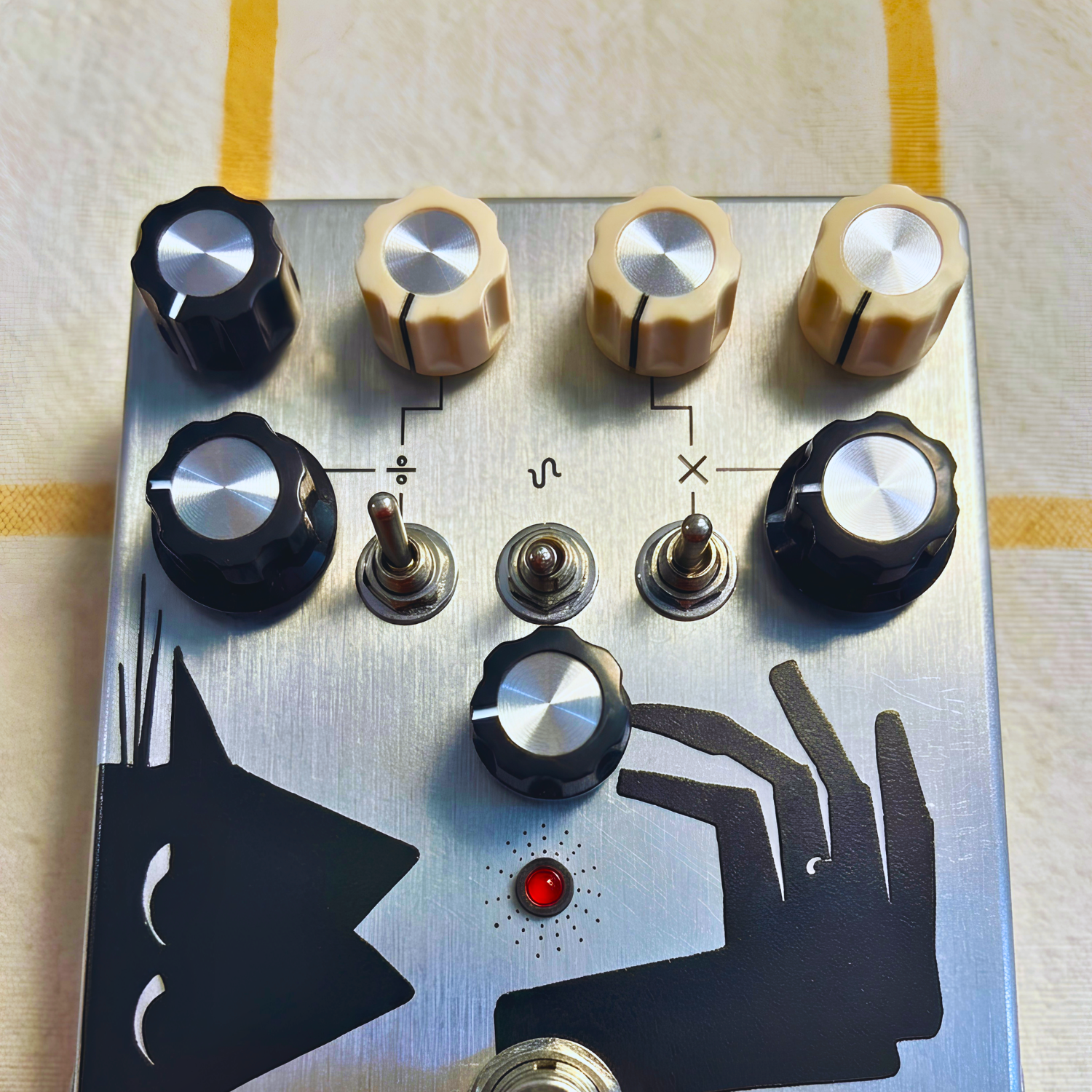 Image 2 of 3
 Image 3 of 3

SOUND DOSSIER // AUDIO FIELD REPORT
CLASSIFICATION: SONIC BEHAVIOUR ANALYSIS
SUBJECT: VANISHING TAIL REBORN
CLEARANCE LEVEL: INTERNAL / UNRESTRICTED LISTENING
Field Observations
Audio surveillance confirms that Vanishing Tail Reborn does not behave like a conventional fuzz unit. Signal response is reactive, unstable, and highly dependent on player input dynamics.
Clean guitar signals are rapidly intercepted and converted into square-wave structures. From this point, the system begins autonomous harmonic restructuring.
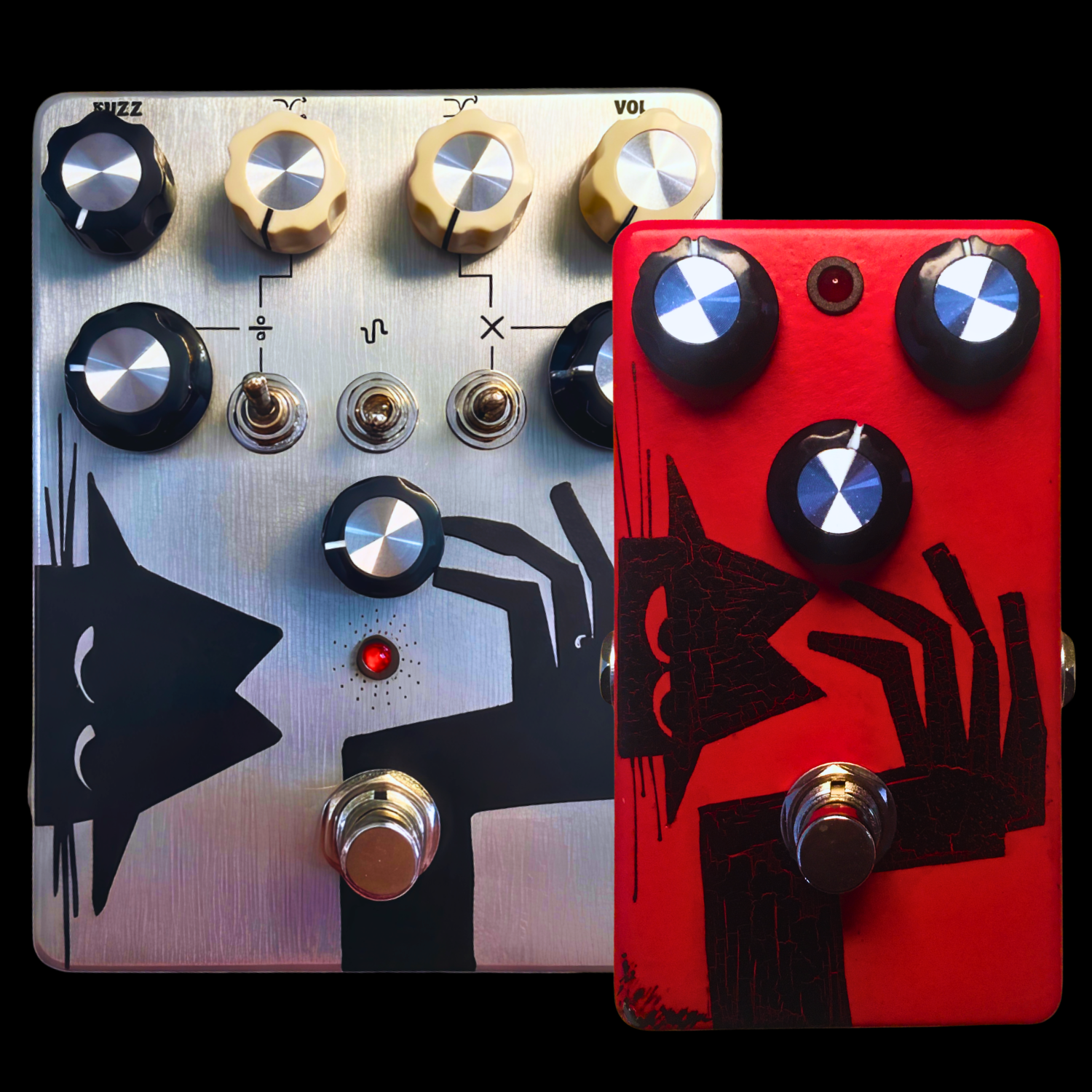
Every agent has a story.
Years ago, Vanishing Tail served quietly in the Tonecat ranks as a delay and modulation specialist, leaving traces of echoes before disappearing into the night. Its mission was complete. Its file was archived.
Or so we thought.
Recovered from a forgotten vault and reassigned under a classified program, Vanishing Tail Reborn returns with an entirely new objective. No longer manipulating time, it now bends pitch, harmonics, and tracking behaviour into a strange world where guitar and synthesizer become difficult to tell apart.
Inspired by the pioneering phase-locked loop synthesizer circuits that found their way into experimental guitar effects decades ago, Vanishing Tail Reborn explores a world where notes are analysed, tracked, multiplied, divided, and transformed into something entirely new. Sometimes precise. Sometimes unstable. Always interesting.
From vintage sci-fi lead tones and robotic synth textures to subterranean subharmonics and chaotic electronic mayhem, Vanishing Tail Reborn rewards players who enjoy exploring beyond conventional guitar sounds.
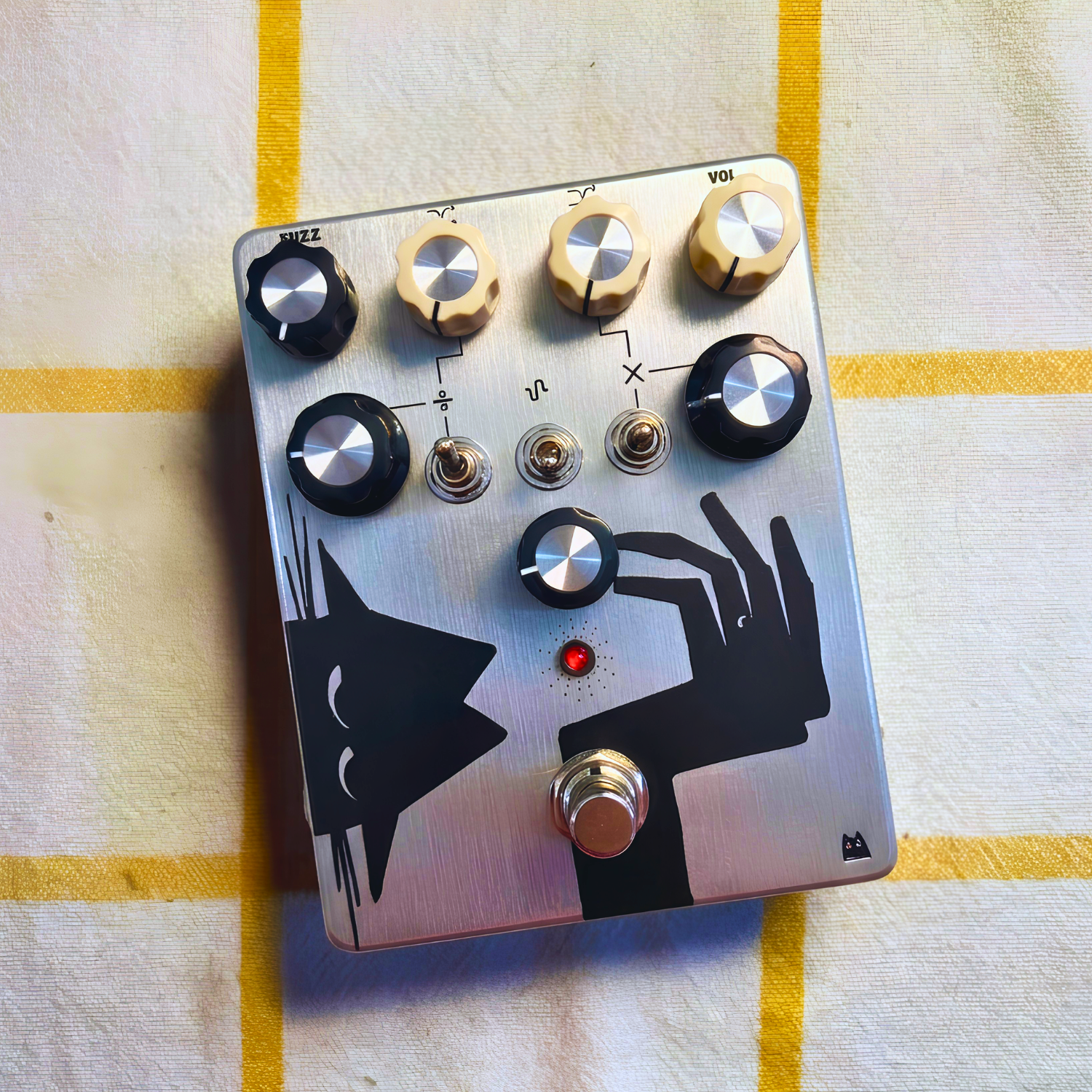
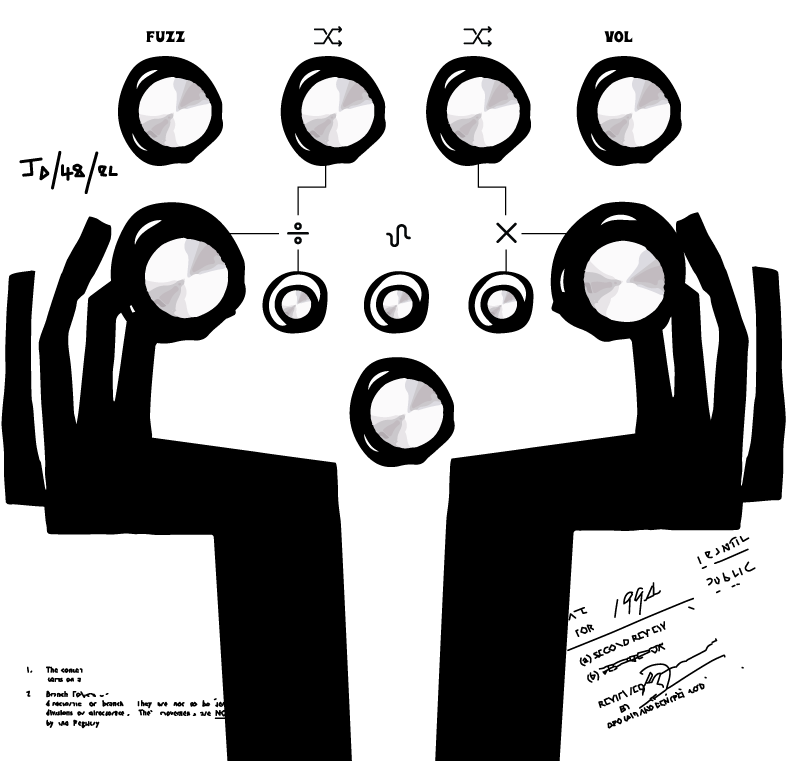
The controls reveal little. The symbols reveal enough.
The mission is yours to complete.
The symbols are intentional.
Understanding the device is part of the mission.
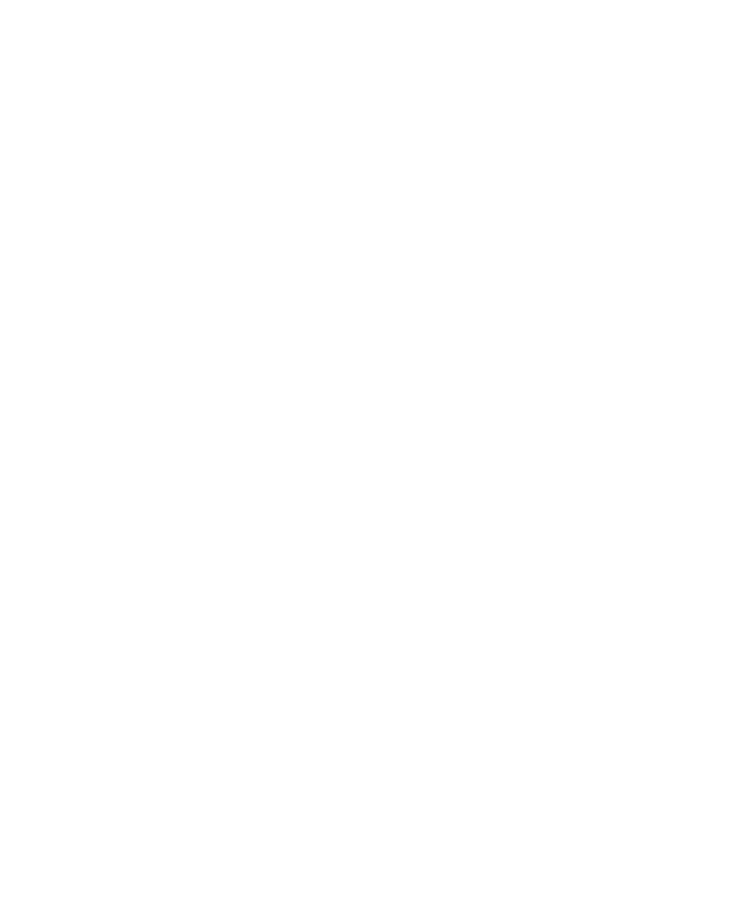
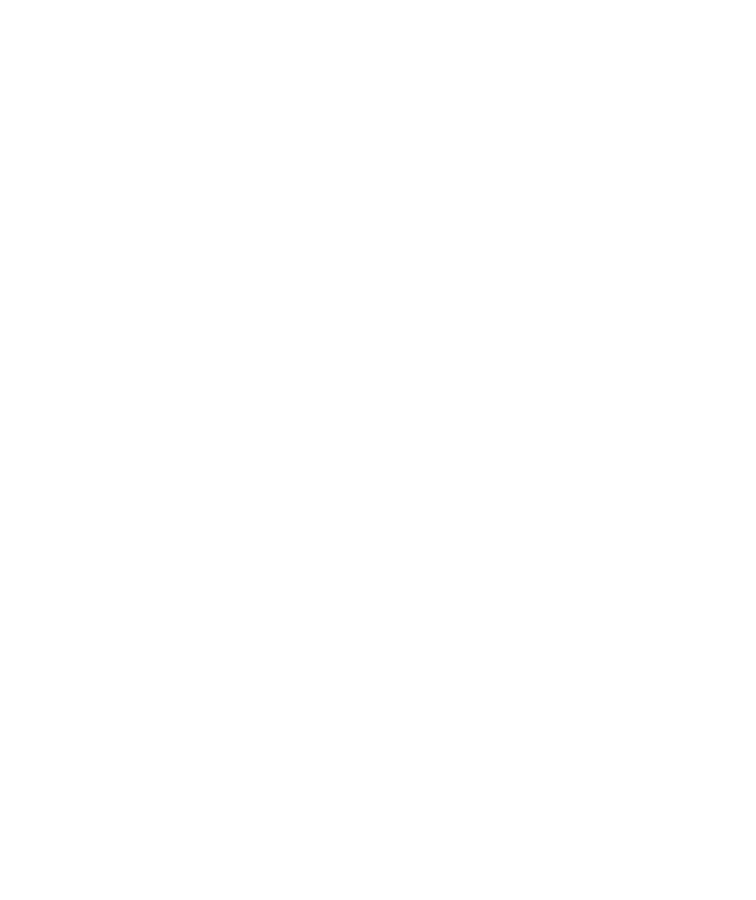
× — Frequency multiplication.
Generates upper frequency relationships above the original note. From stable octave lift to complex overtone stacking and synthetic “voice splitting” behaviour. Higher settings introduce bell-like harmonics and unstable electronic artefacts.
÷ — Frequency division.
Creates lower frequency relationships beneath the original note. From octave-down reinforcement to deep sub-bass reconstruction and fractured low-end synth behaviour. Higher settings produce unstable gravity-like bass collapse and broken transmission tones.

~ — Modulation assignment.
Introduces movement into the system, creating anything from subtle oscillation and animated textures to unstable transmissions and unpredictable interactions between the generated voices.
tone demo
The Circuit
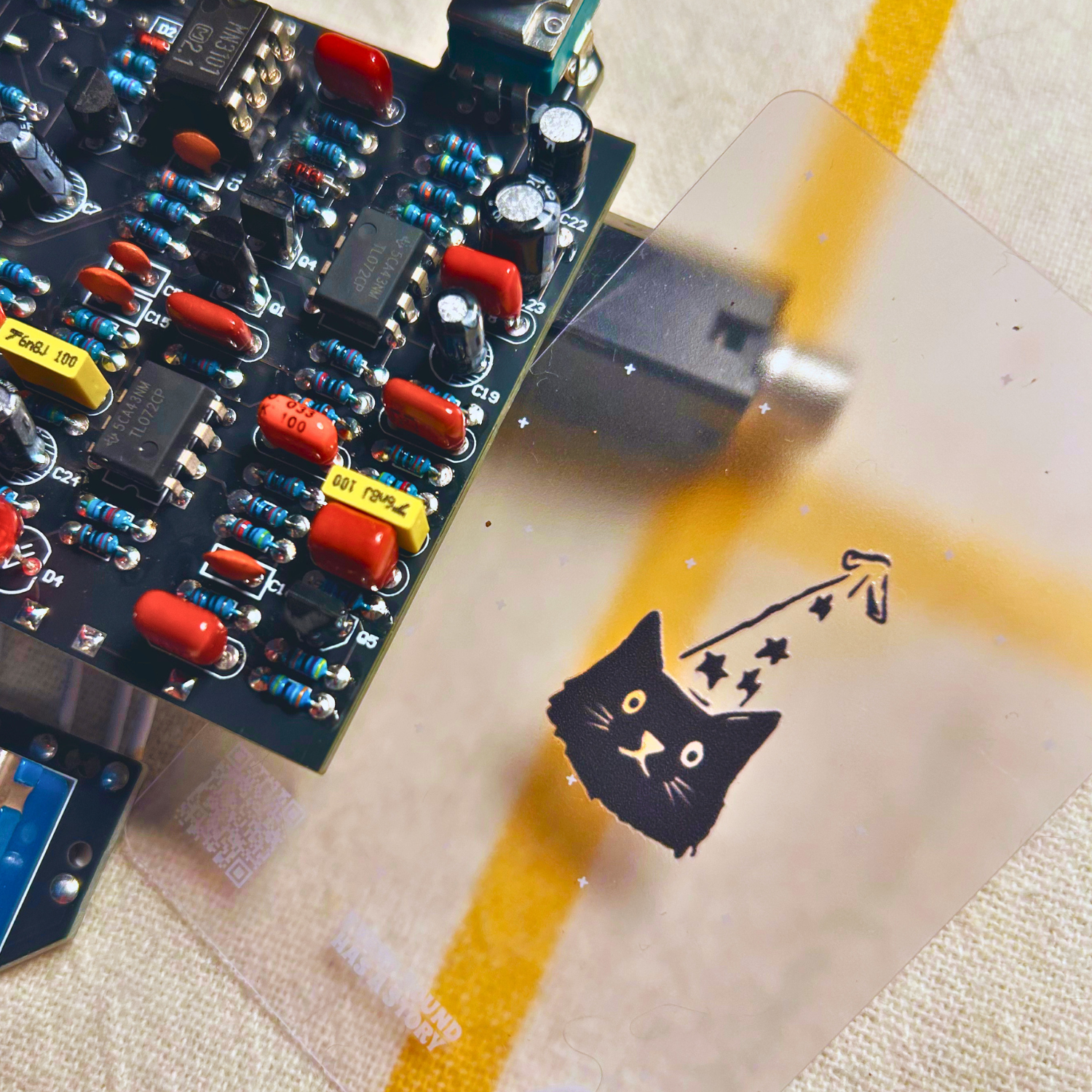
Inspired by the original generation of PLL (Phase-Locked Loops) based guitar synthesizer circuits, Vanishing Tail Reborn combines square-wave fuzz, frequency multiplication, frequency division, and modulation into a compact analogue instrument disguised as a guitar pedal.
Expect:
Aggressive square-wave fuzz textures
Octave-up harmonics and synth-like lead tones
Subharmonic growls and organ-style layering
Vintage computer and sci-fi soundtrack textures
Unpredictable tracking artefacts that become part of the performance
Dynamic interaction with pickup selection, playing style, and guitar volume control
Features:
Analogue PLL-inspired synthesizer fuzz
Frequency multiplication and division engine
Square-wave fuzz core
Interactive tracking behaviour
Designed for guitar, bass, and experimentation
True bypass switching
What is a PLL (Phase-Locked Loop) pedal?
A PLL (Phase-Locked Loop) is a type of circuit originally used in radio and electronics to track and lock onto the frequency of an incoming signal.
In guitar pedals, a PLL takes your instrument signal and attempts to “follow” its pitch in real time. Instead of simply distorting your sound like a traditional fuzz or overdrive, a PLL can generate new tones based on your playing—often creating synth-like, octave-shifted, or harmonically unstable textures.
This is what gives PLL-based pedals their signature character: they don’t just change your tone, they reinterpret it.
Vanishing Tail: Rebirth draws inspiration from this type of architecture while focusing on musical playability, harmonic layering, and expressive synth-like tones.
Depending on the design, a PLL pedal can produce a wide range of sounds, including:
• Synth-style leads
• Octave-up and octave-down tones
• Ring-modulated textures
• Glitchy, tracking-based artifacts
• Experimental, unstable soundscapes
Because of this behaviour, PLL pedals are often used by experimental guitarists, electronic-influenced players, and anyone looking to push beyond traditional fuzz and distortion sounds.
While the concept comes from engineering and radio systems, modern guitar PLL circuits are designed for musical expression—turning your guitar into a dynamic signal generator rather than just a static instrument.
![[MADE TO ORDER] TONECAT WaveBubu Chorus + POPMART Labubu Macaron Blind Box](https://images.squarespace-cdn.com/content/v1/68a653326d17bc1b79940c63/91982c6c-bc80-4190-81f9-9808eb84ed38/27.png)


![[PRE-ORDER] TONECAT Cosmo Phaser](https://images.squarespace-cdn.com/content/v1/68a653326d17bc1b79940c63/1d064bf1-54f8-40db-8a57-010621ff9a86/18.png)