

The World of Boutique Fuzz Pedals
Fuzz is the wildest effect on the pedalboard, and our favourite to build. Every TONECAT boutique fuzz pedal is handmade in small batches in Melbourne, from warm germanium and bright silicon to woolly Muff-style monsters and full PLL synth chaos.
How to Choose the Right Fuzz Pedal
Choosing the right fuzz pedal comes down to your style and setup. First, think about your tone preferences — do you want something smooth and creamy for soulful leads, or raw and biting for aggressive riffs? Next, consider your pickup pairing. Single-coil pickups often deliver clearer, more articulate fuzz tones, while humbuckers bring added growl and depth. Finally, assess your versatility needs — are you after a one-pedal solution that covers multiple tones or a niche fuzz that defines your signature sound?
Fuzz is simple on paper, often just a few transistors, which is exactly why the details matter. Boutique builders choose and match components by ear, tune bias by hand and build in small runs instead of on a production line. Every TONECAT fuzz is handbuilt in Melbourne, and boutique doesn’t have to mean expensive: Fuzz à l’Huile brings a hand-built silicon fuzz to your board for $99.
![[PRE-ORDER] TONECAT Fuzz a l’Huile Silicon Fuzz](https://images.squarespace-cdn.com/content/v1/68a653326d17bc1b79940c63/94def947-8ce2-40f3-86ba-1c655dde0c58/TONECAT-Fuzz-alHuile-top.png)
PRE-ORDER - Will return shortly in Mid-October, lock yours in now
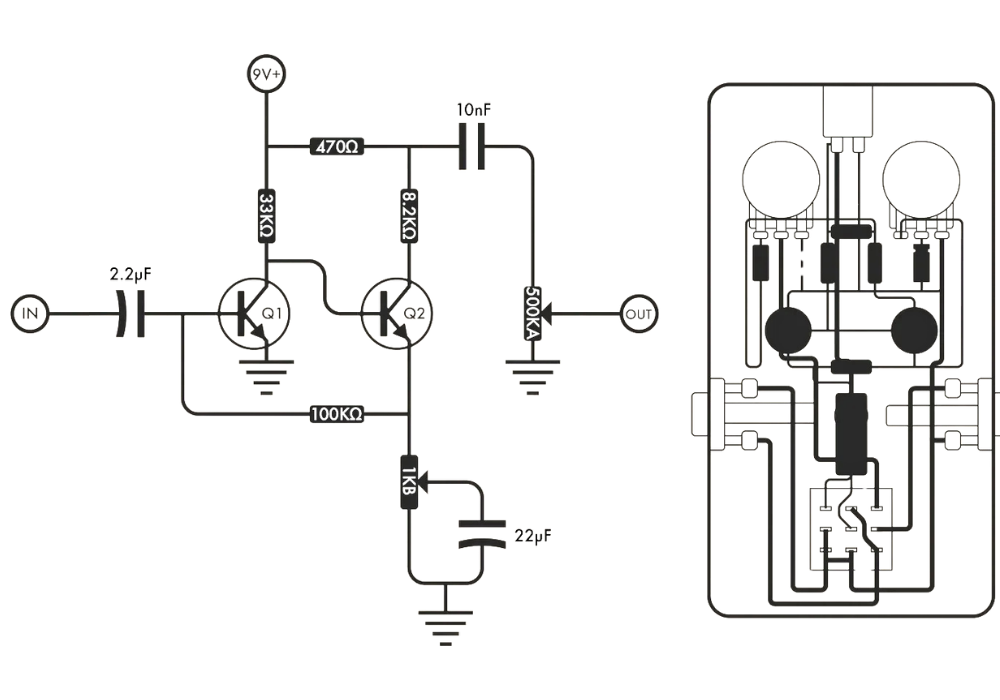
What??! $99 fuzz pedal?? Fuzz à l’Huile is a boutique silicon fuzz pedal inspired by the legendary vintage Fuzz Face circuit — reimagined through the slightly absurd world of pantry-grade tinned fish. Built around a classic silicon fuzz face–style topology, this handmade fuzz pedal delivers smooth sustain, rich harmonic saturation, and responsive clean-up with your guitar’s volume control.
Tone so good it should cost more. Thankfully it doesn’t.
🚚 Free Shipping Australia-wide
🇦🇺 Hand-built in Melbourne
♾️ Limited-Lifetime Warranty

Fuzzbubu is a limited-edition Tonecat fuzz pedal inspired by the playful chaos of Labubu, featuring an advanced, multi-bias fuzz design with expanded control.
With five knobs and adjustable bias, this monster shifts from sputtering, gated mischief to explosive, full-range fuzz mayhem. Unstable, expressive, and endlessly fun, it rewards curiosity and brave hands.
Cute on the outside. Dangerous on the inside.
Each unit is part of a one-time drop — once they’re gone, they’re gone.
Adopt responsibly. It bites.
🚚 Free Shipping Australia-wide
🇦🇺 Hand-Built in Melbourne
♾️ Limited-Lifetime Warranty
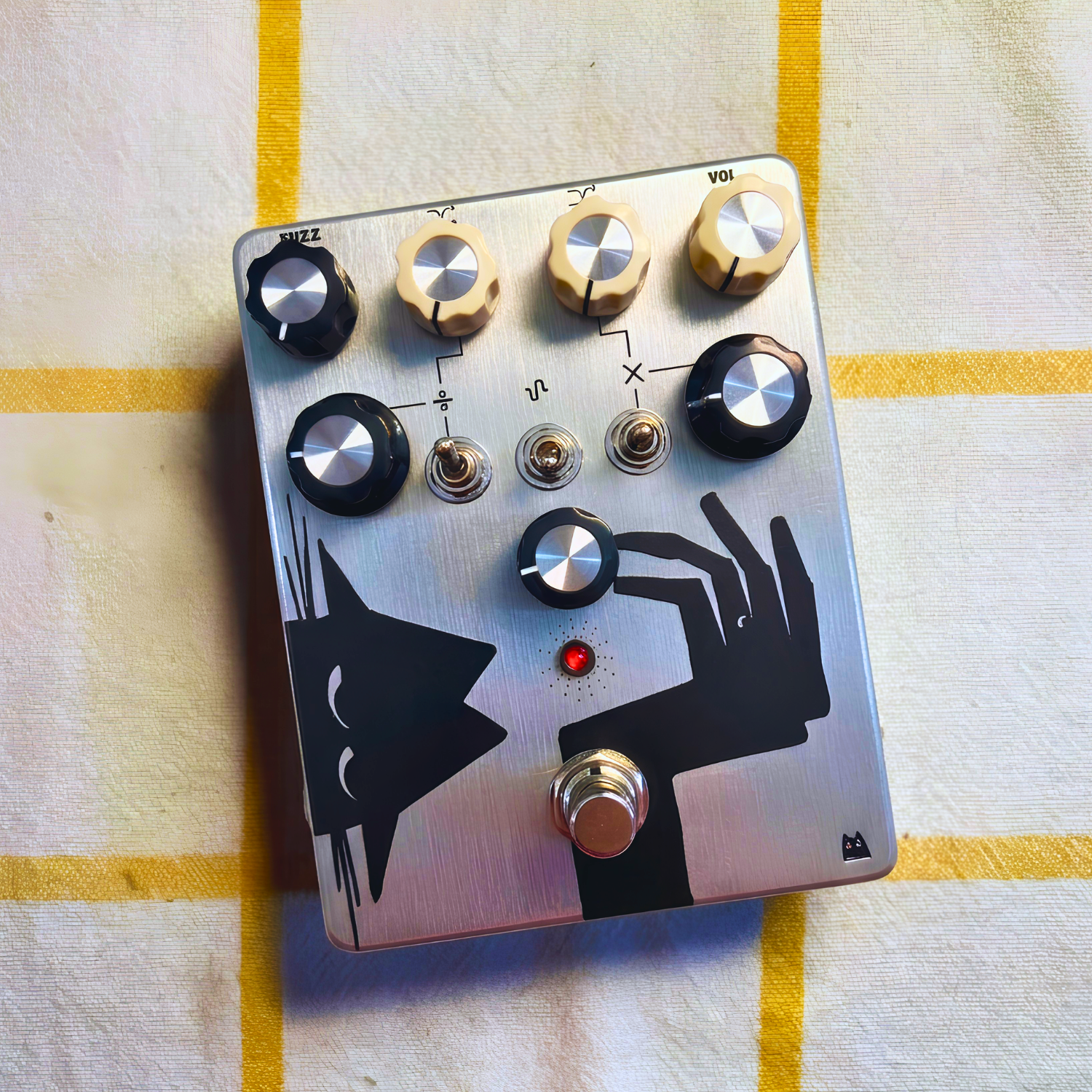
Once an agent of echoes and disappearing trails, Vanishing Tail has returned from the shadows with a new mission.
Vanishing Tail Reborn is a PLL-inspired synth fuzz that transforms your guitar into a chaotic world of square-wave textures, subharmonic growls, and harmonic synth voices. From vintage sci-fi bleeps to broken console mayhem, every note becomes part of an unpredictable operation.
The original agent has been reassigned. This time, stealth is optional.
🚚 Free Shipping Australia-wide
🇦🇺 Hand-Built in Melbourne
♾️ Limited-Lifetime Warranty
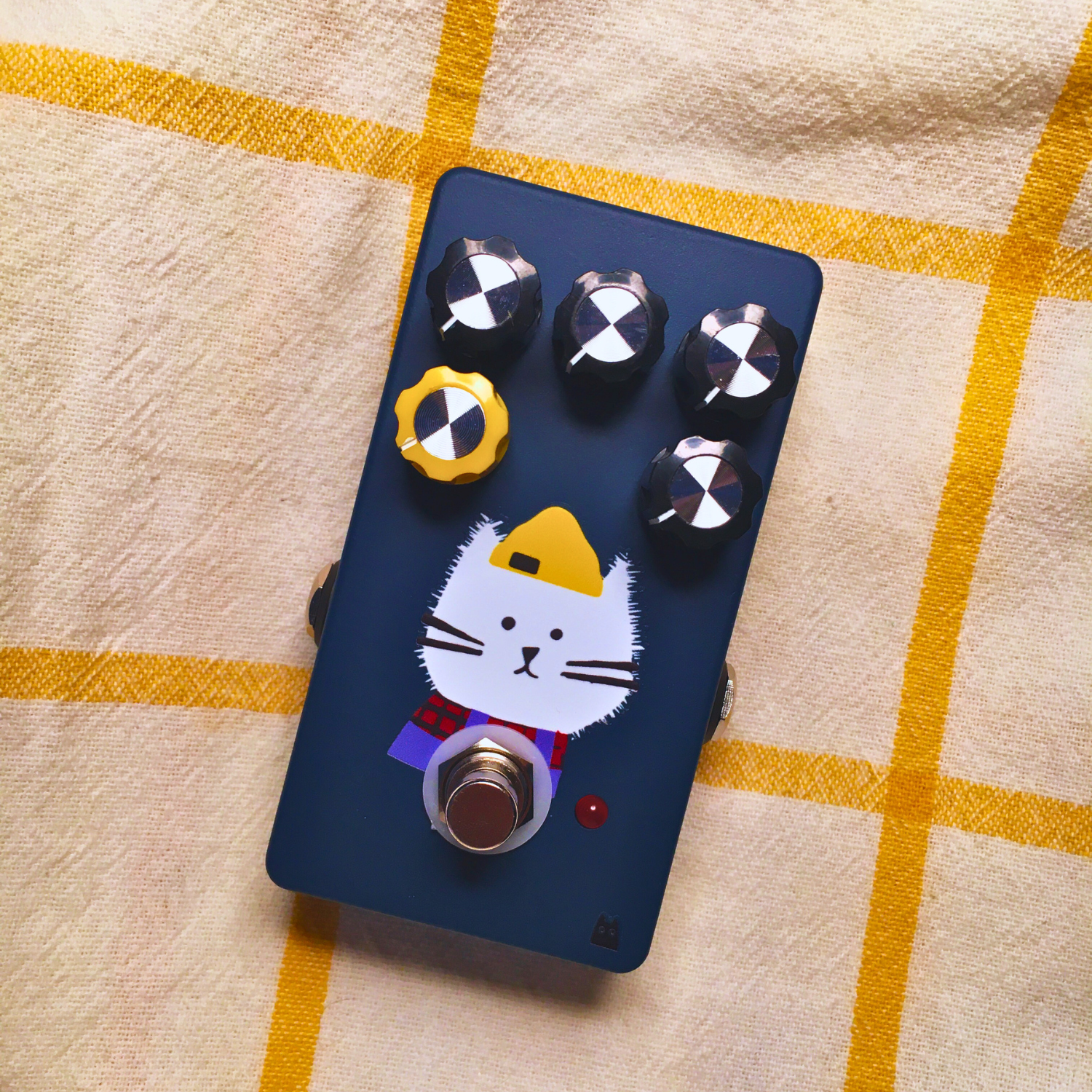
From the TONECAT Home of Tone collection, Ziggy is a wild, unpredictable multi-bias fuzz pedal built for players who want expressive, unstable, and harmonically rich fuzz tones. Dial in different bias settings to move from thick, saturated fuzz to gated, sputtery, broken-up textures and chaotic vintage-style sounds.
Ziggy embraces instability as an instrument — delivering dynamic fuzz, gated textures, and unpredictable harmonic character that can add something truly unique to your guitar tone. When your song needs a little chaos, Ziggy is ready.
🚚 Free Shipping Australia-wide
🇦🇺 Hand-Built in Melbourne
♾️ Limited-Lifetime Warranty
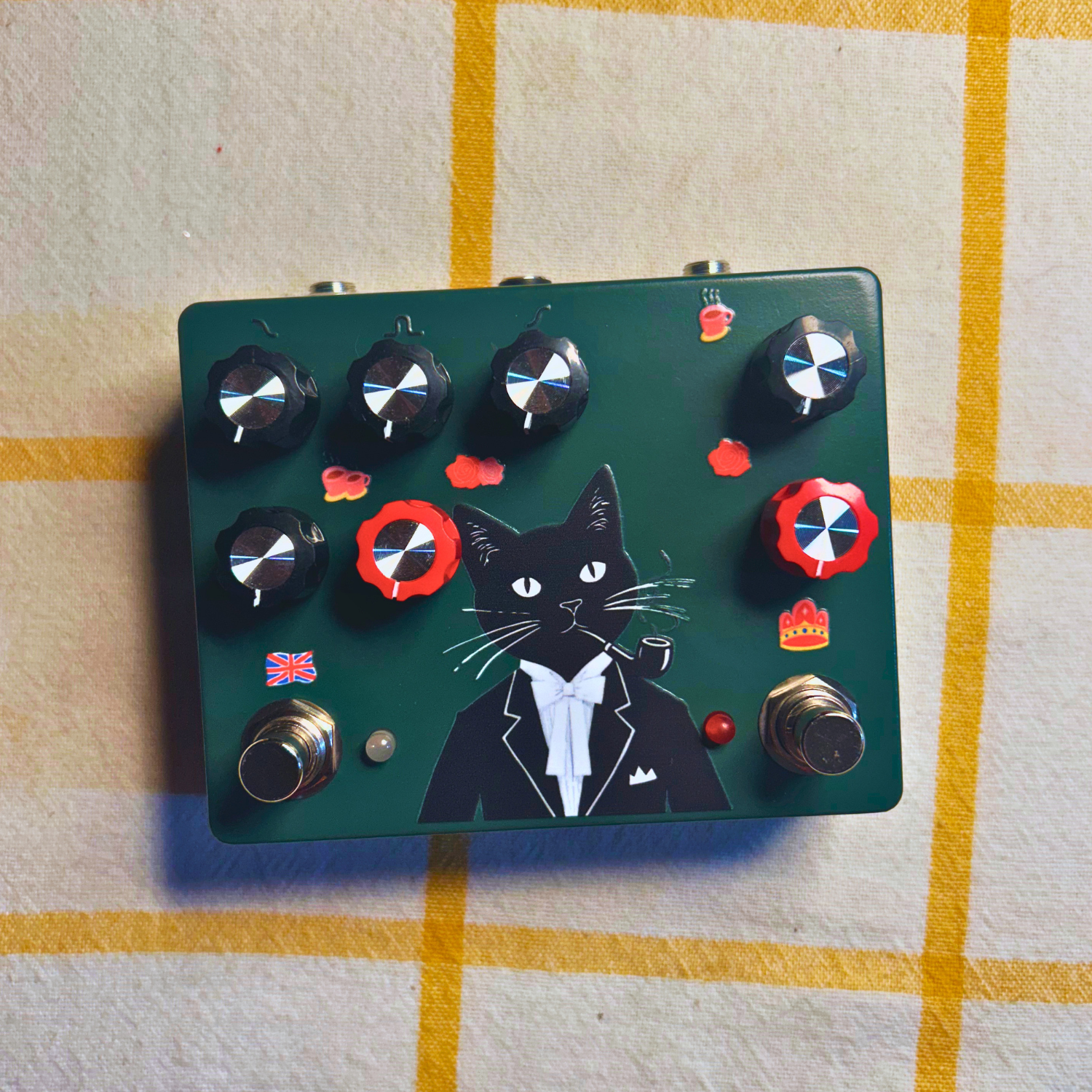
Sir Fuzzington is a handcrafted dual drive & fuzz pedal inspired by two of the most iconic British sounds ever created.
The Gentleman captures the punch, clarity and dynamic response of a classic Marshall JCM800.
The Crown delivers the rich, harmonically complex voice of a BC108 silicon Fuzz Face, from smooth sustain to gloriously untamed boutique fuzz.
Use each channel independently or stack them together for a remarkably versatile range of analogue tones.
🚚 Free Shipping Australia-wide
🇦🇺 Hand-Built in Melbourne
♾️ Limited-Lifetime Warranty
Fuzz pedal with tonecat playful sonic signature
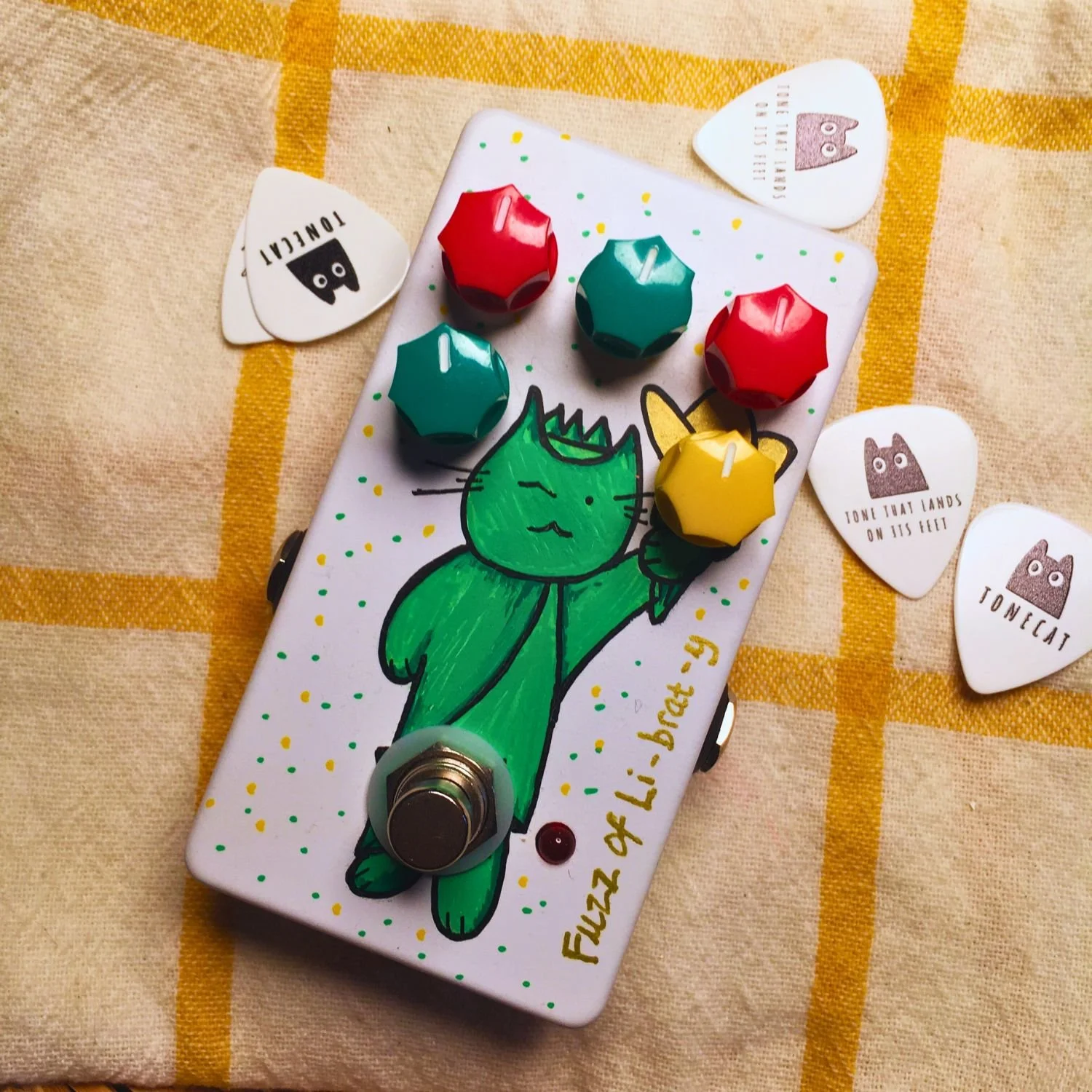
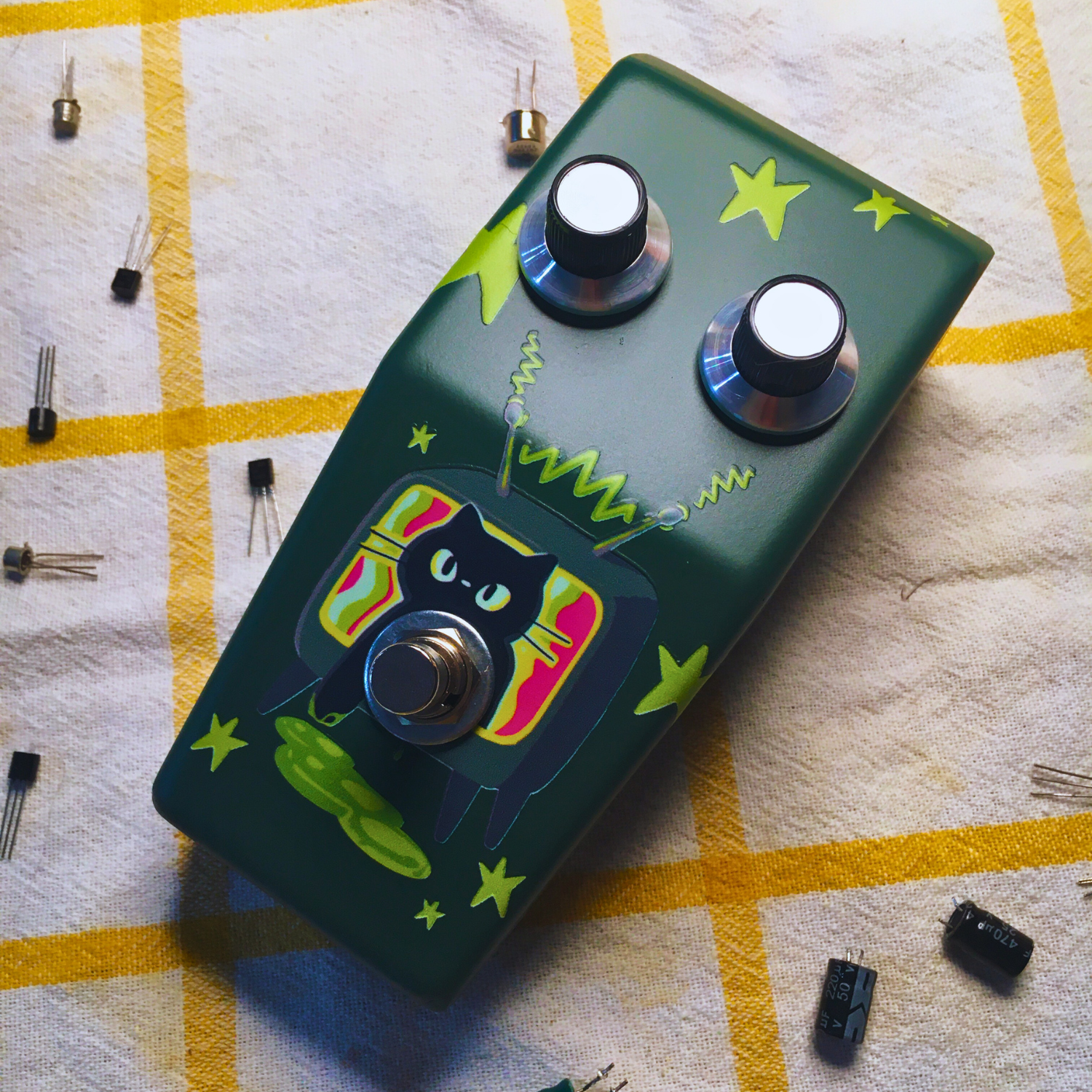
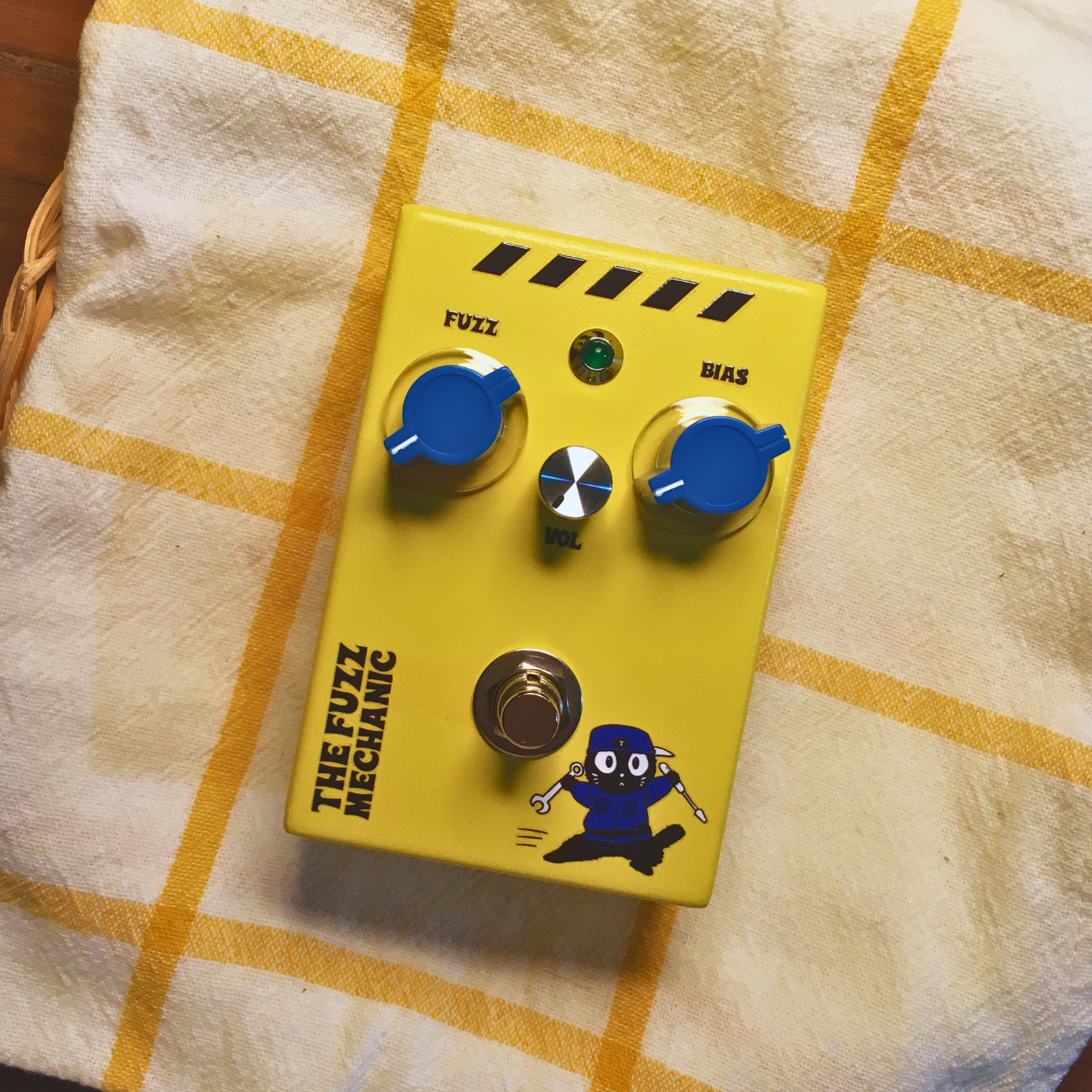
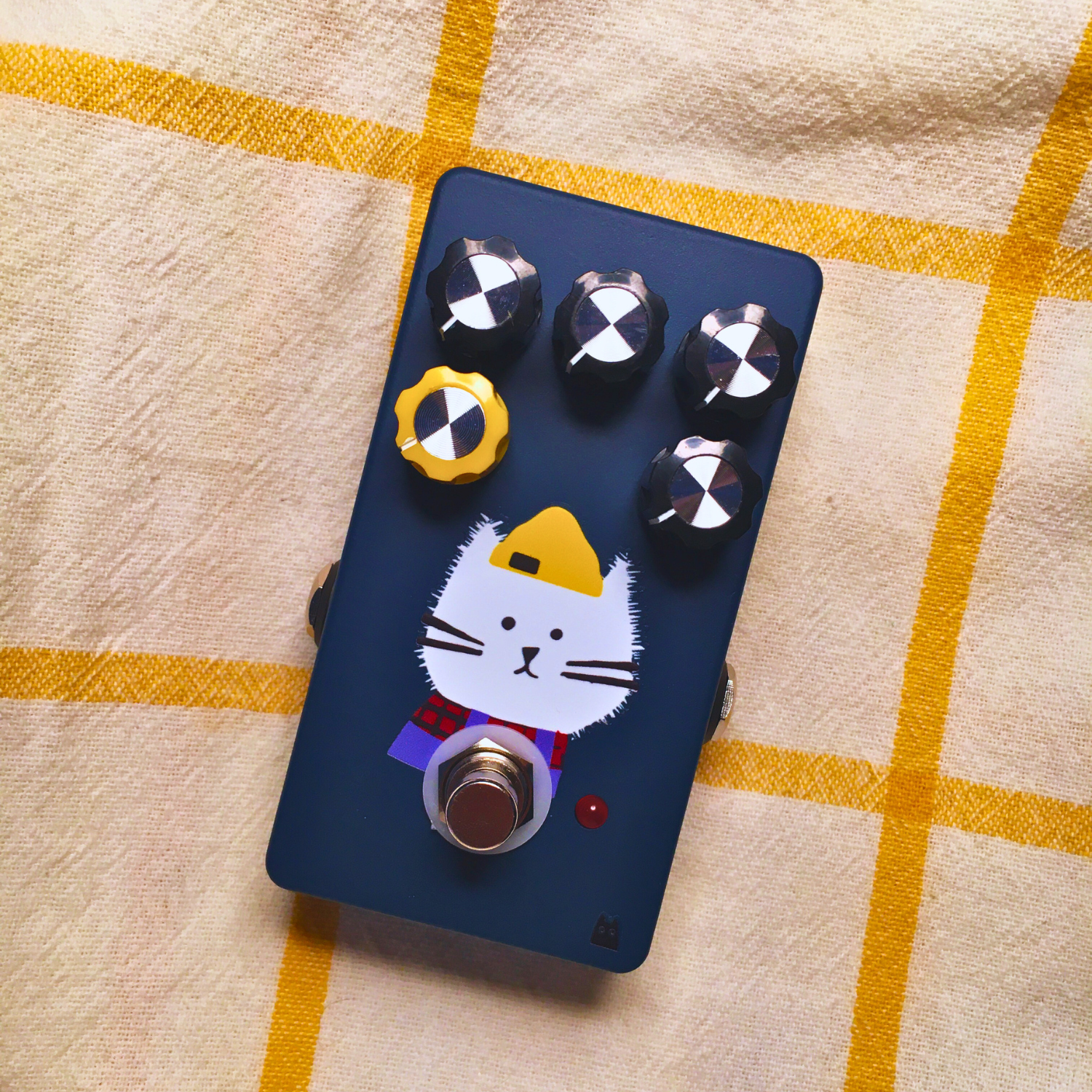
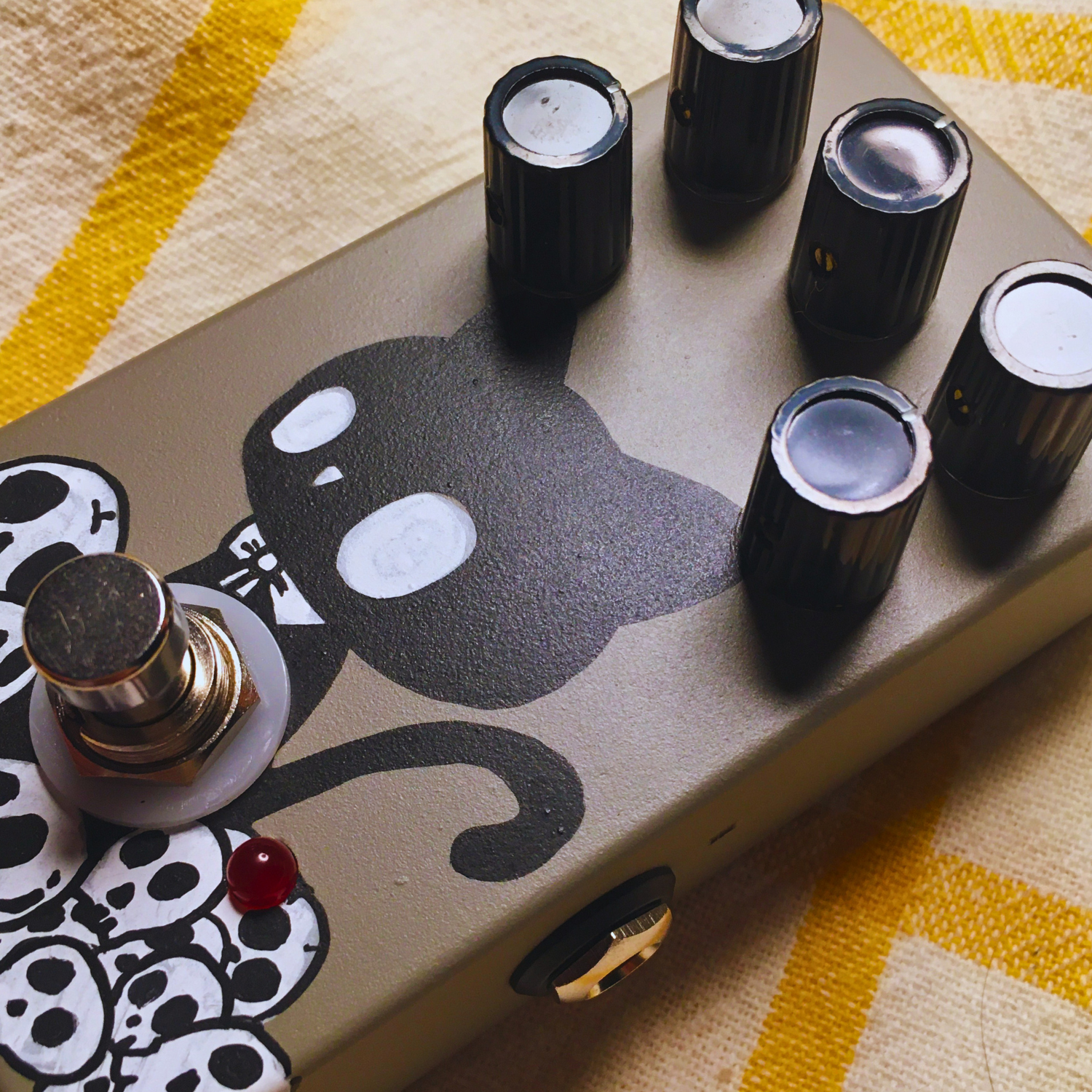
At TONECAT, fuzz is where we have the most fun. Every boutique fuzz pedal in our lineup is handbuilt in Melbourne, with its own circuit, its own cat character and its own way of misbehaving. Some are smooth and vintage, some are wild and unpredictable, and a few are just plain weird, in the best way.
Whether you’re chasing vintage Hendrix sustain, sputtering gated textures or sounds nobody’s heard before, this is your guide to the world of fuzz, and to finding the cat fuzz pedal that speaks your language.

What Is a Fuzz Pedal?
Fuzz is more than just distortion — it's a sonic signature. Born in the 1960s with pioneering pedals like the Maestro FZ-1 and later immortalised by classics such as the Fuzz Face and Tone Bender, fuzz changed the sound of the electric guitar forever. By pushing your guitar signal into extreme clipping, it creates a saturated, harmonically rich tone that can growl, scream, sing, or bloom with seemingly endless sustain.
Unlike conventional overdrive or distortion, fuzz has a personality all its own. Some circuits clean up beautifully when you roll back your guitar's volume, while others unleash walls of thick, compressed saturation or sputtering, gated chaos. Every fuzz design has its own voice, making it one of the most diverse and expressive effects ever created.
Over the decades, fuzz has become a cornerstone of countless genres. From Jimi Hendrix's psychedelic solos and the raw energy of garage rock, to the soaring leads of stoner rock, the dreamy textures of shoegaze, and the experimental sounds of modern indie, fuzz continues to inspire musicians to push the boundaries of what's possible.
Whether you're chasing vintage warmth, massive sustain, octave-infused madness, or synth-like experimental textures, there's a fuzz pedal waiting to unlock a whole new side of your playing. The world of fuzz is vast, wonderfully unpredictable, and endlessly inspiring..
Fuzz Pedal FAQ
-
Usually first, straight after your guitar. Many vintage-style fuzzes, especially germanium, react to your pickups and sound best with nothing before them.
-
Fuzz Face and Tone Bender-style circuits rely on interacting with your guitar’s pickups, and a buffer breaks that connection. Place the fuzz before any buffered pedals. If you need a buffer elsewhere in your chain, our Pure Butter Buffer works well later in the signal path.
-
Yes, though some fuzzes thin out the low end. Muff-style and PLL fuzzes tend to keep more bottom end.
-
If tone and feel matter to you, yes. Fuzz circuits are simple, so small details like transistor choice, matching and bias make a big difference to how a pedal sounds and responds. Boutique builders tune those details by ear, one pedal at a time. Every TONECAT fuzz is handbuilt in small batches in Melbourne, and boutique doesn’t have to break the bank: Fuzz à l’Huile brings hand-built silicon fuzz to your board for $99.
-
It can. Germanium transistors are sensitive to heat, so on a hot stage or a summer day a germanium fuzz can sound thinner, gatier or less sustained than usual. That’s part of their vintage charm, and a bias control helps you dial it back in. If you want consistent tone wherever you play, silicon fuzz stays stable across temperatures. Want to try both? The Fuzz Mechanic lets you swap between silicon and germanium transistors.
Germanium vs Silicon Fuzz pedal
Fuzz pedals generally fall into two camps: germanium and silicon. Germanium fuzz circuits are prized for their warm, smooth, and vintage character, often delivering a softer attack and excellent clean-up when rolling back your guitar's volume. They tend to be more touch-sensitive and dynamic, making them a favourite for classic rock and blues tones.
Silicon fuzz circuits, on the other hand, offer a brighter, more aggressive, and higher-gain sound. They provide greater consistency across different temperatures, tighter low end, and more cutting presence, making them ideal for modern rock, alternative, and heavier styles.
Neither is better—the choice simply depends on the flavour of fuzz you're chasing.
PRE-ORDER - Will return shortly in Mid-October, lock yours in now
What??! $99 fuzz pedal?? Fuzz à l’Huile is a boutique silicon fuzz pedal inspired by the legendary vintage Fuzz Face circuit — reimagined through the slightly absurd world of pantry-grade tinned fish. Built around a classic silicon fuzz face–style topology, this handmade fuzz pedal delivers smooth sustain, rich harmonic saturation, and responsive clean-up with your guitar’s volume control.
Tone so good it should cost more. Thankfully it doesn’t.
🚚 Free Shipping Australia-wide
🇦🇺 Hand-built in Melbourne
♾️ Limited-Lifetime Warranty
Silicon Fuzz (Bright / Aggressive / Modern)
High-gain fuzz with sharper, more aggressive edge
Brighter tonal character with enhanced clarity and bite
Tighter low-end response for modern high-gain setups
More consistent performance across temperature changes
Strong sustain and cutting presence in a mix
Ideal for alternative, rock, and heavier modern styles
A germanium boutique fuzz inspired by the golden age of Tone Benders. This cat fuzz pedal delivers raw, expressive fuzz with touch-sensitive dynamics, housed in a classic Sola Sound wedge enclosure — classic germanium, irradiated.
🚚 Free Shipping Australia-wide
🇦🇺 Hand-Built in Melbourne
♾️ Limited-Lifetime Warranty
Germanium Fuzz (Vintage / Warm / Dynamic)
Classic vintage fuzz tone inspired by 60s–70s circuits
Warm, smooth saturation with soft clipping character
Highly responsive to guitar volume knob for natural clean-up
Touch-sensitive dynamics ideal for expressive playing
Organic, slightly compressed feel with musical breakup
Best suited for blues, classic rock, and vintage tones
PLL Fuzz – When Fuzz Becomes a Synth
If classic fuzz pedals are the wild side of distortion, PLL (Phase-Locked Loop) fuzz is where things become beautifully unpredictable.
Originally developed for radio and communications, a Phase-Locked Loop is an electronic circuit that tracks the frequency of an incoming signal. In guitar pedals, that technology is repurposed into a bizarre analogue synthesizer that follows your playing and generates harmonically related pitches using frequency multiplication and division. The result is something that sits somewhere between a fuzz pedal, an octave generator and a vintage synthesizer.
Unlike a Fuzz Face or Big Muff, a PLL fuzz isn't trying to sound like a bigger guitar—it creates an entirely new instrument.
Depending on how accurately the circuit tracks your playing, a PLL can sound incredibly musical—or gloriously out of control. That's exactly why players love them.
What does a PLL fuzz sound like?
Expect sounds such as:
Aggressive square-wave fuzz
Octave-up screams
Octave-down growls
Ring-modulator-like textures
Glitchy pitch jumps
Synth-style leads
Oscillating and alien harmonics
Once an agent of echoes and disappearing trails, Vanishing Tail has returned from the shadows with a new mission.
Vanishing Tail Reborn is a PLL-inspired synth fuzz that transforms your guitar into a chaotic world of square-wave textures, subharmonic growls, and harmonic synth voices. From vintage sci-fi bleeps to broken console mayhem, every note becomes part of an unpredictable operation.
The original agent has been reassigned. This time, stealth is optional.
🚚 Free Shipping Australia-wide
🇦🇺 Hand-Built in Melbourne
♾️ Limited-Lifetime Warranty
Who is it for?
PLL fuzzes are perfect for players looking to move beyond classic rock tones into experimental territory. They're favourites among noise artists, ambient musicians, industrial players, progressive rock guitarists and anyone chasing sounds that make people ask, "What on earth is that?"
If you've ever wanted your guitar to sound like a malfunctioning arcade machine, a vintage sci-fi soundtrack or a modular synth having an existential crisis, a PLL fuzz might be exactly what you're looking for.

Join the Fuzz Revolution
Whether you’re a seasoned guitarist or just starting your tone journey, fuzz is a world worth exploring. Dive into Tonecat’s collection and find the fuzz that speaks your language.