
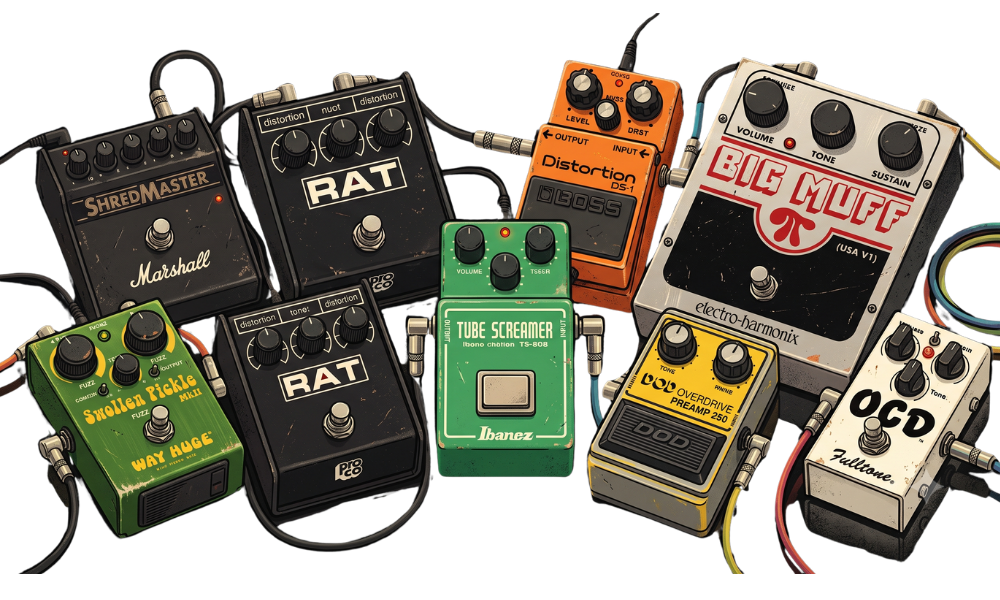
The World of Distortion
Everything You Need to Know About Distortion Pedals
Distortion is the unmistakable sound of rock guitar. It's the crunch behind classic riffs, the roar of modern metal, and the aggressive bite that gives solos their authority. While overdrive gently pushes an amplifier into breakup and fuzz completely transforms your signal, distortion sits confidently in the middle—offering more gain, tighter control, and a focused, articulate voice.
Whether you're chasing the punch of '80s hard rock, the cutting attack of punk, or the modern clarity of boutique high-gain pedals, there's a distortion circuit designed for your style.
In this guide, we'll explore how distortion works, the different families of distortion pedals, and which style might be right for your rig.
↓
What is a Distortion Pedal?
A distortion pedal increases your guitar's gain until the signal clips, creating harmonic richness, sustain, compression and a more aggressive tone.
Compared to overdrive, distortion creates more saturation and consistency. Compared to fuzz, it's generally tighter, more controlled and better suited to rhythm playing while still delivering singing lead tones.
The result is a sound that remains powerful without becoming completely unruly, making distortion one of the most versatile effects ever created.
How Distortion Works
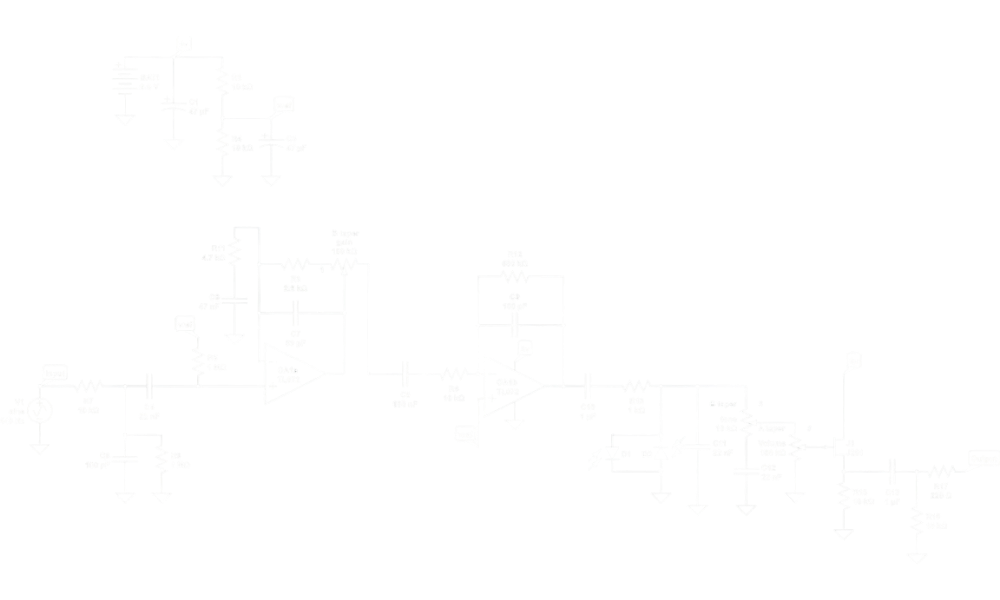
Every distortion pedal follows the same basic principle: Increase the signal gain, clip the waveform, shape the frequencies using EQ and control the output volume. Where pedals differ is how they clip the signal.
Different clipping methods produce dramatically different feel, compression and harmonic content, which is why a RAT sounds nothing like a DS-1, even with similar gain settings.
↓
Main type of distortion
![[PRE-ORDER] TONECAT Rat Trap Distortion V2](https://images.squarespace-cdn.com/content/v1/68a653326d17bc1b79940c63/fcbcf25b-87b9-46e9-9675-fff1f147a07b/16.png)
Our unapologetically chunkier evolution of the classic RAT circuit.
Rat Trap V2 delivers thicker low-mids, expanded clipping, and a three-way voice toggle that moves from Soft overdrive, through Classic RAT grind, to Feral, snarling aggression. From gentle breakup to fuzz-soaked saturation, this boutique distortion is bigger, heavier, and more versatile—pure Tonecat attitude, this cat pedal is ready to claw onto your board.
RAT-Style Distortion
One of the most iconic distortion circuits ever created.
Originally introduced in the late 1970s, RAT-style pedals blur the line between distortion and fuzz. They feature hard clipping, huge gain reserves and a distinctive Filter control that lets you tame or unleash the top end.
Expect:
Thick, aggressive distortion
Excellent sustain
Powerful mids
Can move from overdrive to fuzzy saturation
Great for rock, punk, grunge and alternative
Players love RAT circuits because they sound equally convincing into a clean amplifier or already-driven amp.
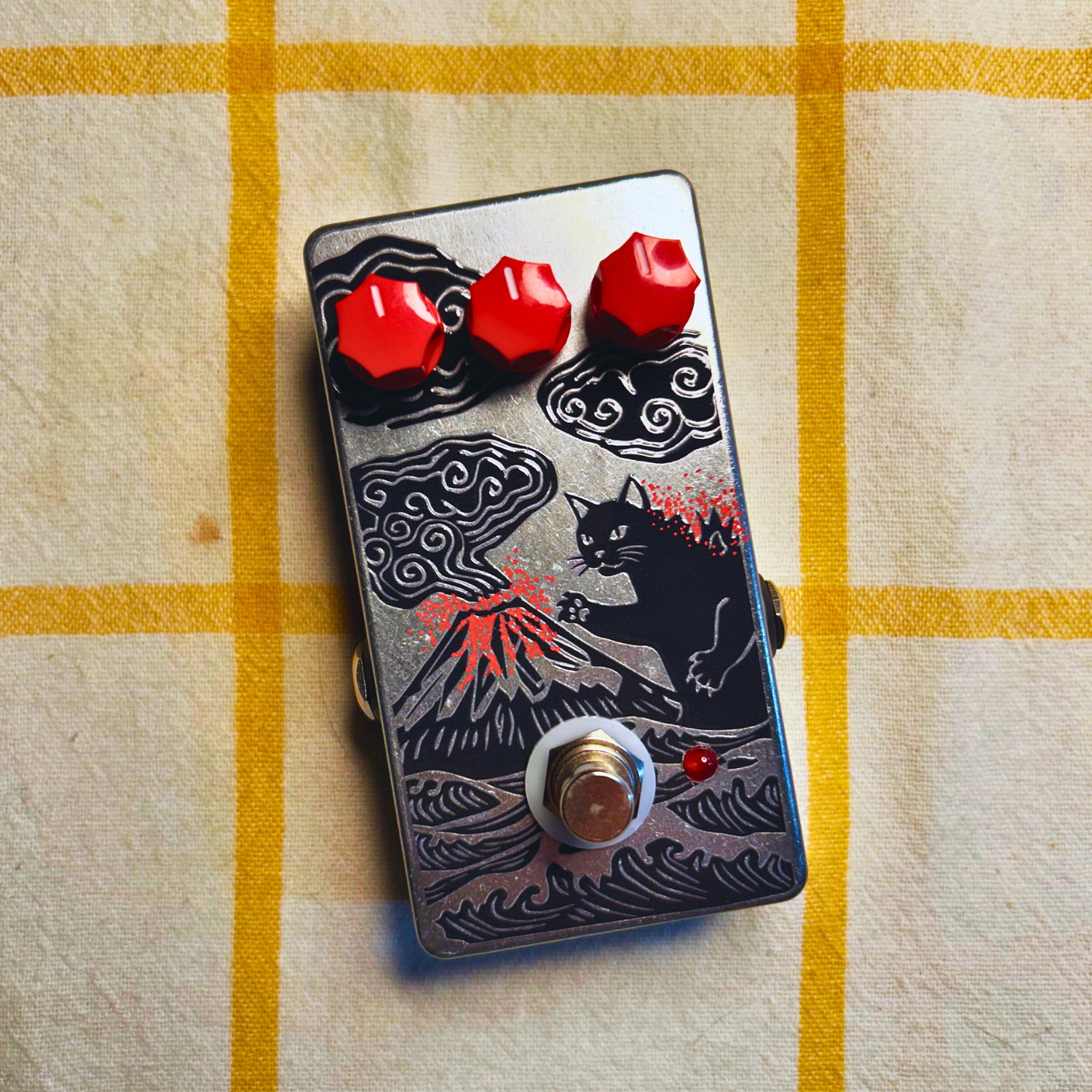
CatZilla Drive is a dynamic distortion pedal inspired by the legendary RAT and modern DRV-style circuits. From gritty low-gain growl to thick, punchy distortion, CatZilla delivers clarity, character, and touch-sensitive response that cleans up beautifully with your guitar's volume control.
Housed in a raw aluminium enclosure with hand-drawn energy-ray artwork, it's equal parts tone machine and industrial art piece. Built for players who want aggression when they dig in and musicality when they back off.
DRV-Style Distortion
Inspired by the modern boutique approach to distortion, DRV-style circuits deliver the punch of a RAT with greater clarity, tighter bass response and improved articulation.
Instead of sounding overly compressed, they retain note separation even under heavy gain.
Characteristics include:
Tight low end
Wide frequency response
Excellent note definition
Dynamic picking response
Modern boutique voice
They work particularly well for indie, post-rock, alternative and modern rock players who want distortion that stays articulate.
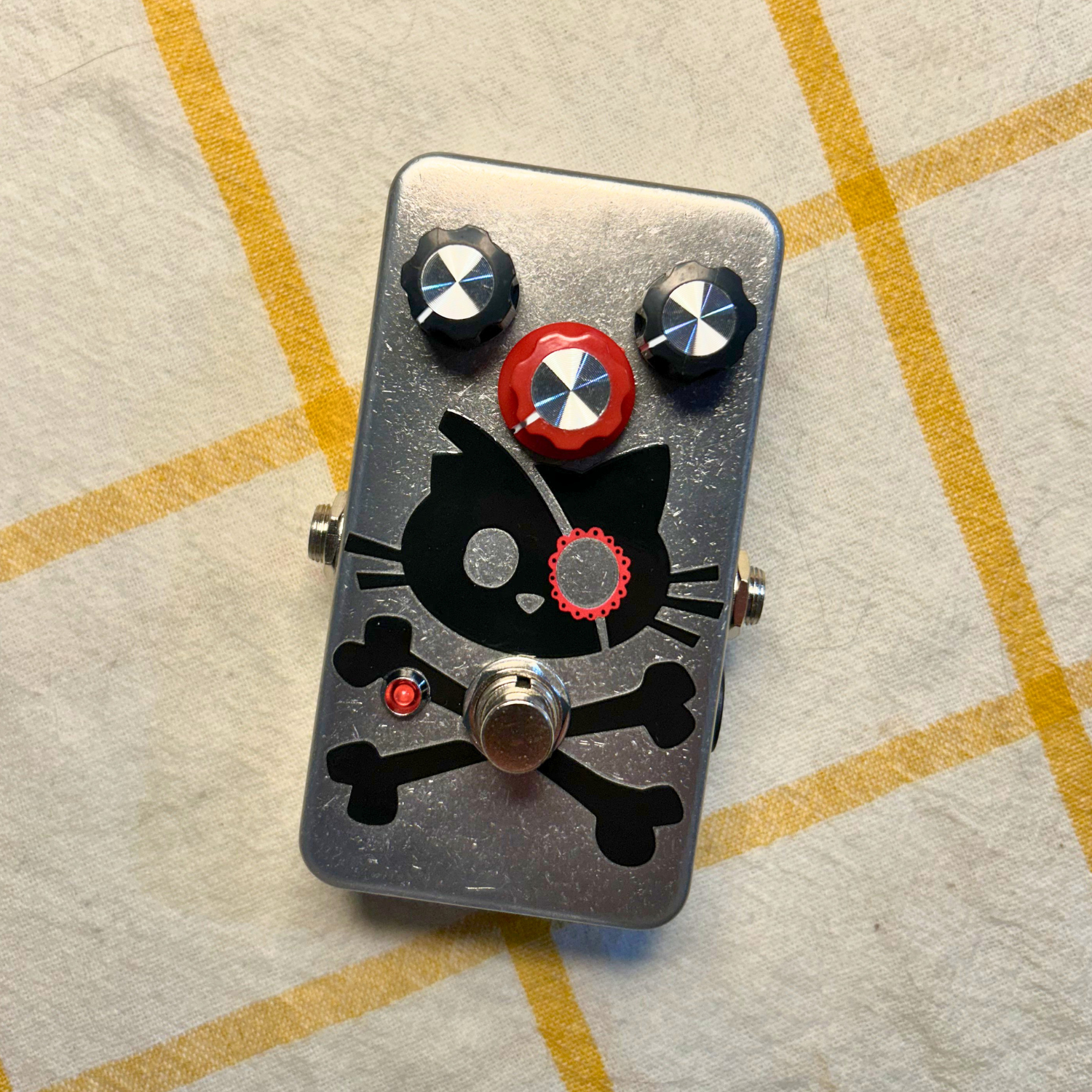
From the Tonecat high seas comes Cutthroat Kitty Distortion Pedal — This cat distortion pedal is a ruthless riff raider born from a legendary DS-1, sharpened and re-voiced for modern treasure hunters. This isn’t just distortion. It’s golden grit in a box, claws out and fangs bared.
DS-1 Style Distortion
The Boss DS-1 became one of the world's most recognisable distortion pedals.
Known for its bright attack and articulate character, the DS-1 delivers tight distortion that cuts through a band mix exceptionally well.
Typical characteristics include:
Tight low end
Bright upper mids
Defined pick attack
Less compression than many high-gain pedals
Ideal for rhythm guitar
The DS-1 has appeared on countless recordings spanning punk, rock, metal and alternative music.
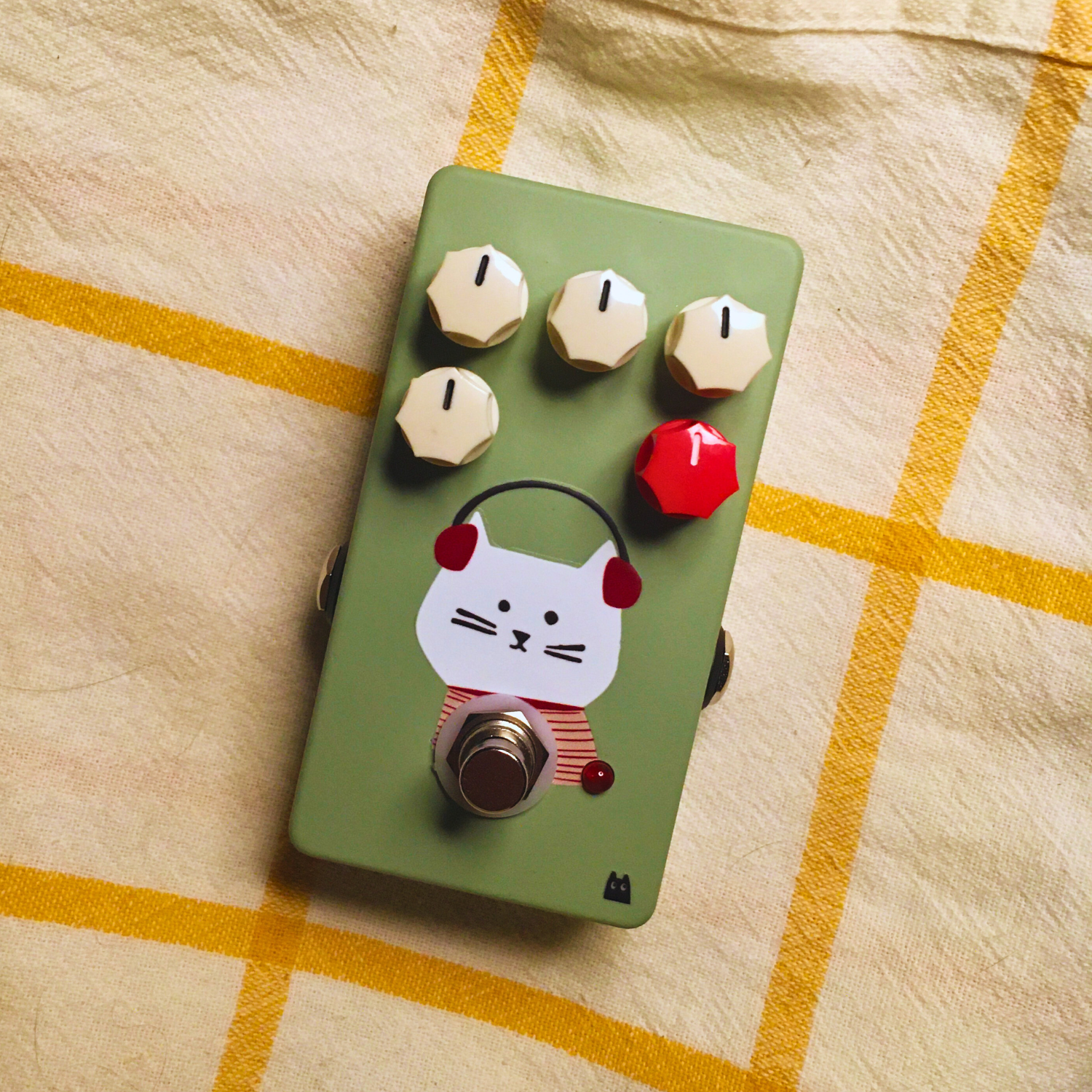
Part of the Home of Tone collection, Lola is bold, driven, and unapologetically loud. This cat drive pedal is a dynamic Marshall-in-a-box drive that responds to every touch — from tight crunch to full-throttle roar.
“Feel it before you hear it.”
Marshall-in-a-Box Distortion
Sometimes called "MIAB," these pedals recreate the sound of a cranked Marshall amplifier without requiring stadium volume.
Rather than producing generic distortion, they emulate the dynamic response, EQ curve and feel of classic British tube amps.
Expect:
Rich harmonic overtones
Punchy midrange
Dynamic response
Crunch to high gain
Excellent touch sensitivity
Perfect for players chasing classic rock, blues-rock and vintage British tones.
Choosing the Right Distortion
Different distortion circuits suit different players. The best distortion pedal isn't necessarily the one with the most gain—it's the one that complements your guitar, amplifier and playing style.
If you want... |
Consider... |
|---|---|
| Classic punk and grunge | RAT-style Distortion |
| Tight cutting rhythm | DS-1 Style Distortion |
| British amp crunch | Marshall-in-a-Box (MIAB) |
| Boutique modern distortion | DRV-style Distortion |
Our unapologetically chunkier evolution of the classic RAT circuit.
Rat Trap V2 delivers thicker low-mids, expanded clipping, and a three-way voice toggle that moves from Soft overdrive, through Classic RAT grind, to Feral, snarling aggression. From gentle breakup to fuzz-soaked saturation, this boutique distortion is bigger, heavier, and more versatile—pure Tonecat attitude, this cat pedal is ready to claw onto your board.
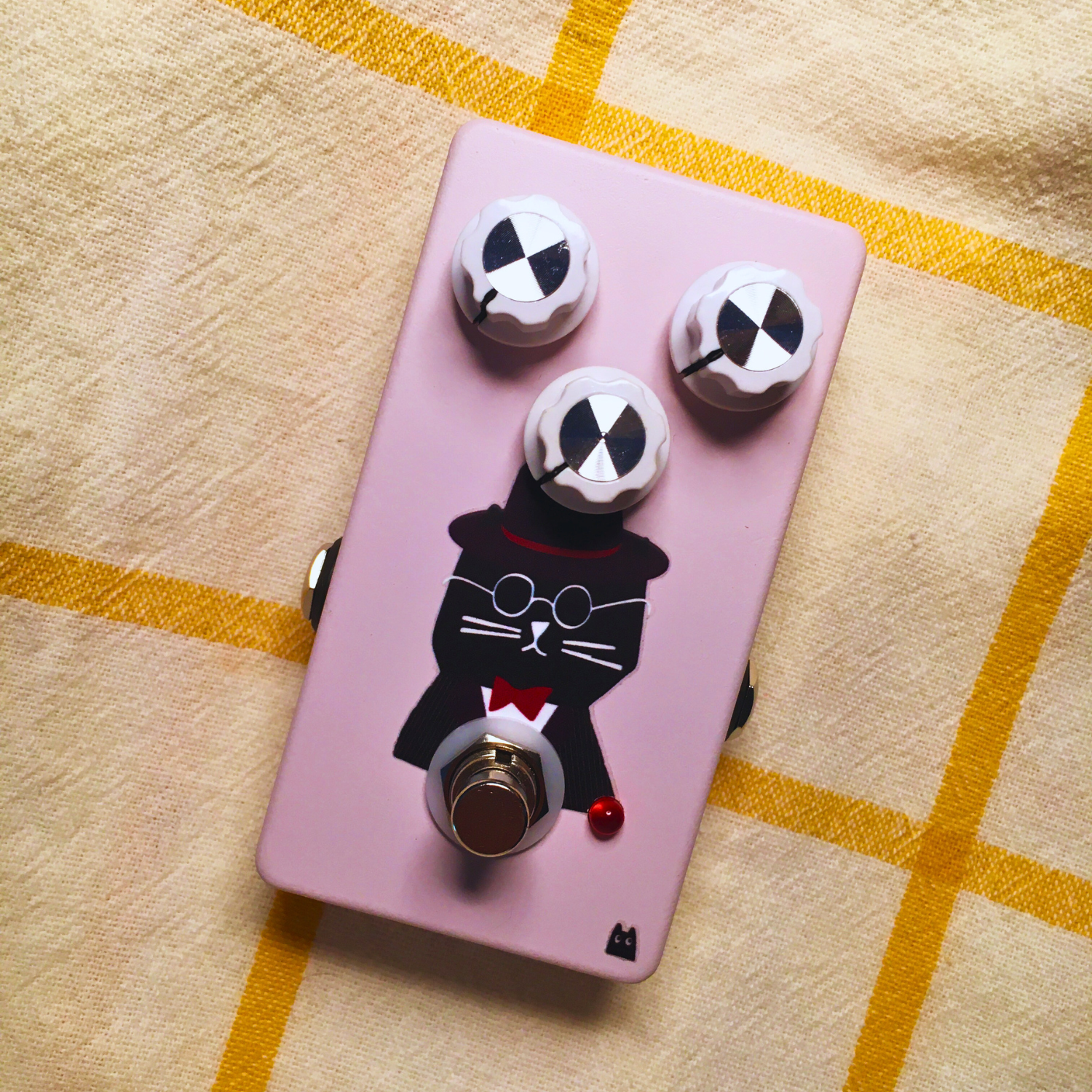
From the Art of the Home of Tone collection, Hugo proves that experience matters. A confident, classic Tube Screamer overdrive inspired that’s earned its place — and still outperforms the rest.
“Still sounds better than everyone”
![[PRE-ORDER] TONECAT RadioCat Fuzz Bender](https://images.squarespace-cdn.com/content/v1/68a653326d17bc1b79940c63/e78a5f12-29ff-4de6-8b52-7d78882addf5/12.png)
A germanium fuzz inspired by the golden age of Tone Benders. This cat fuzz pedal delivers raw, expressive fuzz with touch-sensitive dynamics, housed in a classic Sola Sound wedge enclosure — classic germanium, irradiated.
CatZilla Drive is a dynamic distortion pedal inspired by the legendary RAT and modern DRV-style circuits. From gritty low-gain growl to thick, punchy distortion, CatZilla delivers clarity, character, and touch-sensitive response that cleans up beautifully with your guitar's volume control.
Housed in a raw aluminium enclosure with hand-drawn energy-ray artwork, it's equal parts tone machine and industrial art piece. Built for players who want aggression when they dig in and musicality when they back off.
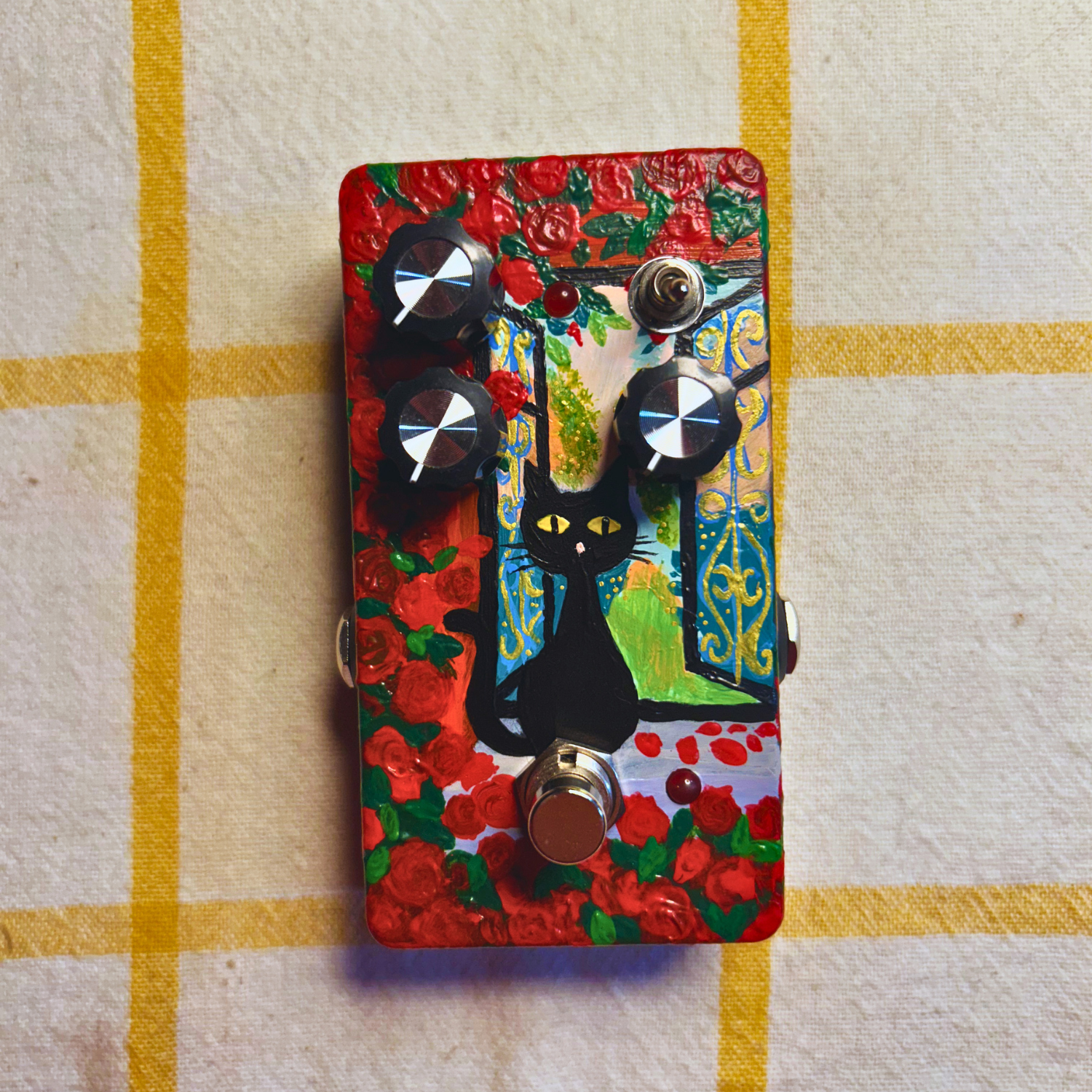
Only one made. A hand-painted artifact of sound and observation. La Floraison is a dynamic distortion inspired by the classic DS-1 and enhanced with the renowned Seeing Eye modification. Delivering greater clarity, richer harmonics, and improved note definition, it balances raw energy with expressive musicality — from articulate crunch to soaring lead tones.
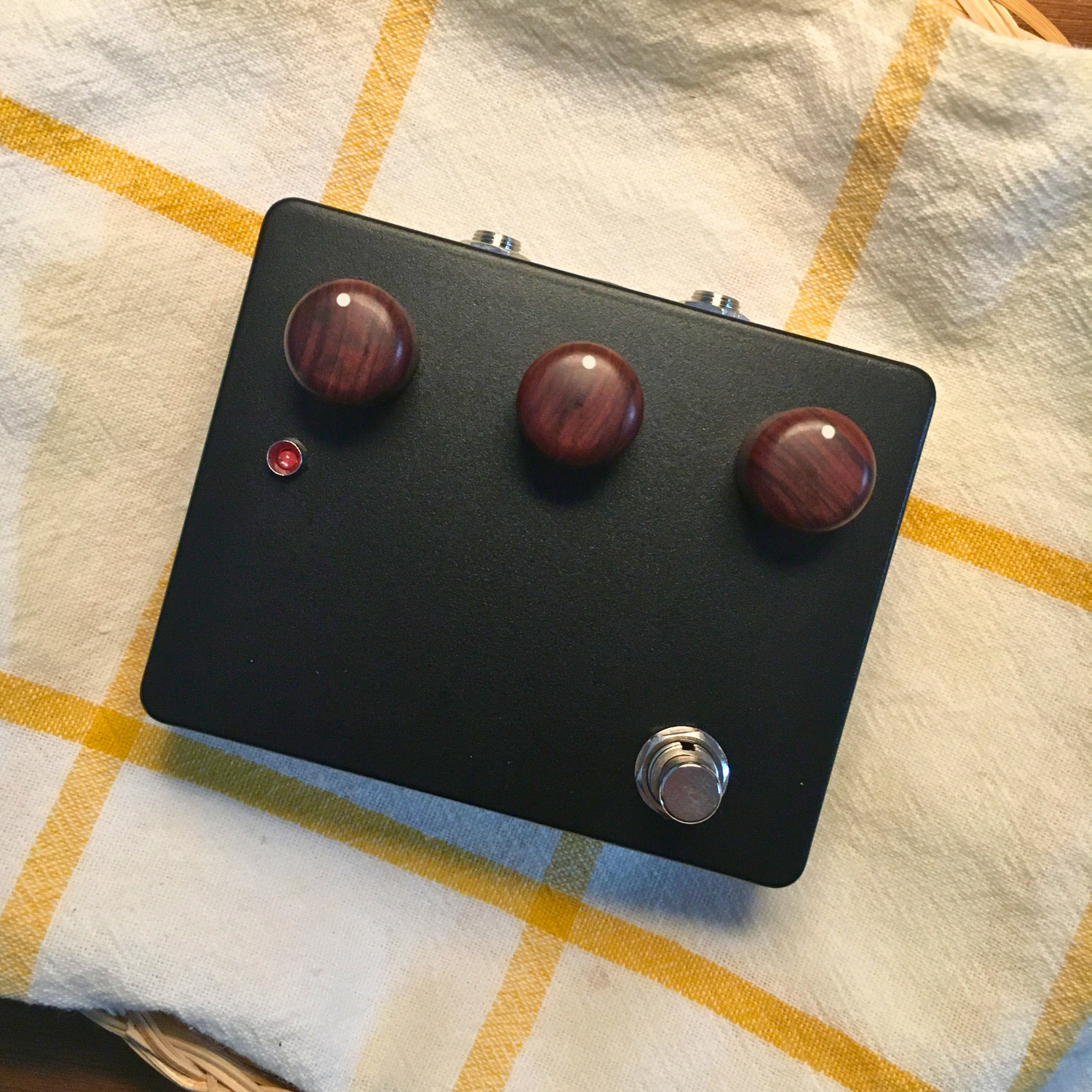
Your Sound, Your Canvas
The BlankSlate Overdrive isn’t just another pedal — it’s a Klon-style overdrive platform for both sonic and visual expression. This boutique Klon drive pedal delivers warm, dynamic gain on the inside. Perfect for tone chasers who crave Klon-inspired character with a personal touch.
Distortion vs Overdrive vs Fuzz
These three effects are closely related, but each serves a different purpose.
Overdrive - Simulates the natural breakup of a tube amplifier, preserving much of your guitar's dynamics.
Distortion - Provides higher gain, increased sustain and a tighter, more consistent sound suitable for everything from classic rock to modern alternative.
Fuzz - Pushes clipping to the extreme, creating bold, saturated and often unpredictable textures that become part of the instrument itself.
Many guitarists combine all three to create a versatile gain setup, using overdrive as a boost, distortion for rhythm and fuzz for expressive lead or experimental sounds. By stacking different gain stages together, players can create a complete tonal palette that responds to every playing style and musical situation.
A common setup might use a transparent overdrive to push an amplifier into natural breakup, a distortion pedal to deliver consistent rhythm tones with added sustain, and a fuzz pedal for moments that require a bigger, more dramatic voice. The interaction between these pedals creates unique textures that cannot be achieved with a single effect alone.
Finding Your Sound
There is no single "best" distortion pedal.
Some players love the raw aggression of a RAT, while others prefer the sharp precision of a DS-1, the amp-like feel of a Marshall-in-a-Box, or the refined clarity of a boutique DRV-style circuit.
The beauty of distortion lies in its variety. Every circuit offers its own character, feel and response, making it one of the most inspiring categories of guitar effects.
At Tonecat, we build distortion pedals that celebrate these iconic voices while adding our own flavour—crafted for players who appreciate classic circuits, modern reliability and boutique attention to detail. Whether you're after vintage crunch, soaring lead tones or articulate high-gain rhythm sounds, there's a distortion waiting to become part of your sound.